Lawrence Carter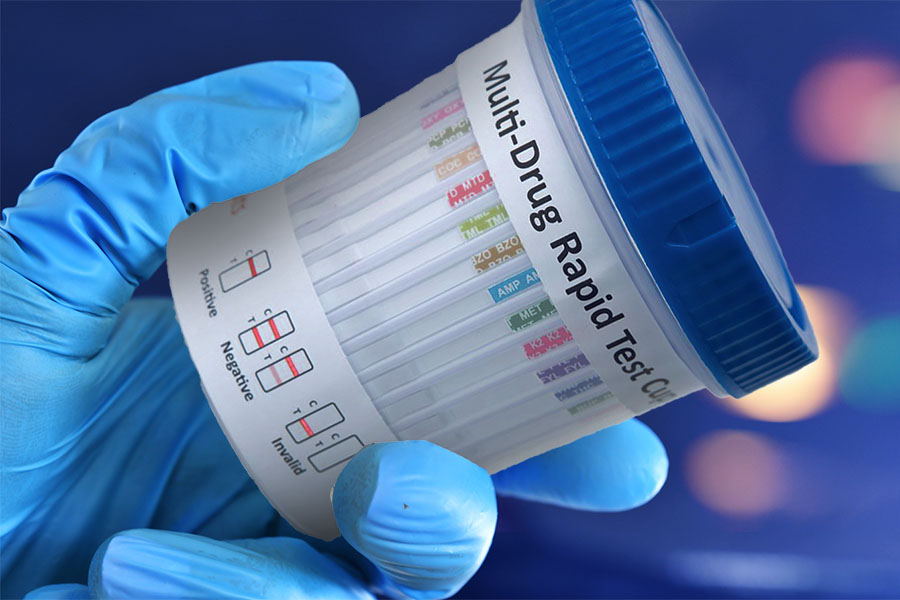
In modern workplace safety and healthcare compliance systems, the demand for quick, reliable, and easy-to-use testing tools continues to grow, and Drug Test Cups have emerged as one of the most practical solutions for efficient drug screening programs. These all-in-one testing devices simplify the entire screening process by combining sample collection and testing in a single sealed unit, making them highly effective for organizations that require fast results with minimal handling. Their convenience, accuracy, and ease of use make them a preferred choice across various professional environments.
What Are Drug Test Cups?
Drug test cups are integrated testing devices designed to detect the presence of drugs in urine samples within a closed and hygienic system. Unlike traditional testing methods that require separate collection and testing materials, these cups combine both functions into one unit. The sample is collected directly into the cup, which is then activated to begin the testing process. The results appear within minutes, depending on the number of substances being screened. This all-in-one structure reduces contamination risks and simplifies the overall testing procedure.
Why Are Drug Test Cups Important for Screening Programs?
Drug screening programs rely on accuracy, speed, and consistency, and drug test cups deliver all three. They are particularly important in workplaces where safety is a priority, such as transportation, construction, and manufacturing sectors. By providing immediate results, they allow employers to make timely decisions regarding hiring or ongoing employee monitoring. These cups also help maintain compliance with regulatory standards by offering standardized and reliable testing methods. Their ease of use ensures that even non-specialized staff can conduct screenings effectively.
How Do Drug Test Cups Work?
The working mechanism of drug test cups is straightforward and user-friendly. A urine sample is collected directly into the cup, which is then sealed to prevent leakage or contamination. Inside the cup, test strips or panels react with the sample to detect specific drug metabolites. Within a few minutes, results appear in the form of visible lines or indicators. Some advanced models may include temperature strips or adulteration checks to ensure sample validity. This simple process makes them suitable for both on-site and clinical testing environments.
What Are the Advantages of Using Drug Test Cups?
One of the main advantages of drug test cups is convenience. Since collection and testing happen in the same container, there is no need for additional equipment or transfer steps. This reduces the chances of sample tampering or contamination. Another benefit is speed, as results are typically available within a short time frame, enabling quick decision-making. Additionally, these cups are designed for hygienic handling, minimizing exposure risks for both users and testers. Their compact design also makes them easy to store and transport, especially in large-scale screening programs.
Where Are Drug Test Cups Commonly Used?
Drug test cups are widely used in multiple industries and environments. In workplaces, they are used for pre-employment screening, random drug testing, and post-incident investigations. Healthcare facilities use them for patient monitoring and substance abuse evaluation. Rehabilitation centers rely on them to track patient progress and ensure compliance with treatment plans. They are also used in legal and forensic settings where accurate drug detection is required. Their versatility makes them suitable for any setting that requires reliable and quick drug testing solutions.
What Should Be Considered When Using Drug Test Cups?
When implementing drug test cups in screening programs, several factors should be considered. Proper storage conditions are essential to maintain test accuracy, as exposure to extreme temperatures can affect results. Training staff on correct usage ensures consistent and reliable outcomes. It is also important to choose cups that screen for the appropriate range of substances based on program requirements. Regular quality checks and adherence to testing protocols help maintain the integrity of the screening process. Ensuring proper disposal of used cups is also important for hygiene and safety.
Conclusion
Drug test cups offer a highly efficient, safe, and user-friendly solution for modern drug screening programs. Their all-in-one design simplifies testing procedures while maintaining high levels of accuracy and reliability. With benefits such as speed, convenience, and reduced contamination risk, they are an excellent choice for workplaces, healthcare facilities, and rehabilitation centers. When properly implemented, they significantly enhance the effectiveness and efficiency of drug monitoring systems across various sectors.

 Ralph Perry