Ralph Perry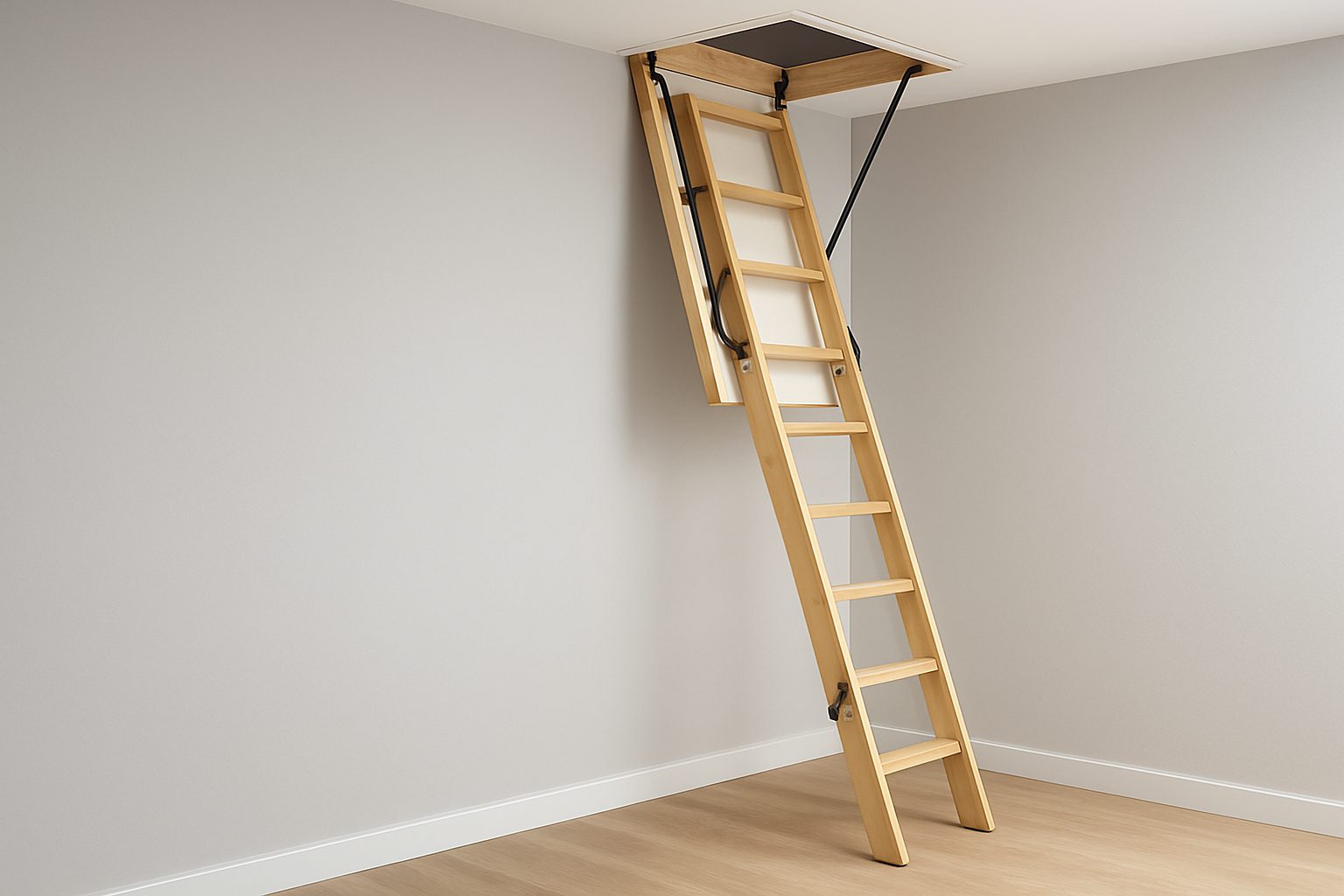
What Makes Compact Loft Access Suitable for Modern Living?
Smaller homes often require thoughtful planning to ensure every square metre serves a useful purpose. Loft spaces can accommodate belongings that would otherwise occupy wardrobes, cupboards and spare rooms. Choosing loft ladders that fold away or retract after use allows homeowners to access additional storage without permanently sacrificing valuable floor area. A successful installation should reflect the property’s dimensions, household requirements and preferred level of convenience.
1. How Much Space Can a Compact Design Save?
The amount of space saved depends on the alternative access arrangement and the ladder’s operating dimensions. Unlike fixed staircases, retractable models generally remain out of the way when closed. Measuring the area before and after installation helps homeowners understand the practical difference and identify any potential obstruction near doors, furniture or walkways.
2. Which Designs Work Best in Modern Interiors?
Folding ladders are suitable for many standard loft openings, while sliding models may work better where there is room for controlled extension. Telescopic versions offer compact storage when fully retracted. Aluminium and timber options provide different combinations of weight, appearance and handling characteristics. Selection should prioritise compatibility and safety rather than appearance alone.
3. Which Measurements Should Be Recorded First?
Four measurements deserve particular attention: floor-to-ceiling height, hatch length, hatch width and available floor clearance. Homeowners should also consider the ladder’s angle when extended. Incorrect dimensions can create awkward climbing positions or prevent the ladder from opening completely. Manufacturer specifications should be checked against the actual installation space before ordering.
4. How Do Storage Habits Influence Ladder Selection?
Occasional access for lightweight decorations may require a different arrangement from frequent retrieval of household equipment. Families using their loft regularly should prioritise comfortable steps, secure handholds and straightforward operation. The ladder must never be treated as a suitable route for carrying loads that exceed its rating or make climbing unstable.
5. What Do Practical Installation Statistics Reveal?
A useful planning checklist contains at least five essentials: opening dimensions, ceiling height, floor clearance, load capacity and fixing requirements. Reviewing these five areas before purchase creates a consistent basis for comparing products. It also helps identify potential problems early, reducing the risk of selecting a ladder that cannot operate safely within the available space.
6. Can Compact Access Improve Household Organisation?
Yes. A convenient loft entrance can encourage homeowners to store rarely used possessions in designated containers rather than leaving them in living areas. Clear labels, stable storage boxes and an accessible walkway make retrieval easier. Heavy belongings should remain on suitable supporting surfaces, and the loft floor’s load capacity must be assessed independently.
7. What Installation Mistakes Should Be Avoided?
Common problems include choosing an incompatible hatch size, overlooking ceiling obstructions and fitting a ladder without checking its operating clearance. Inadequate fixings or an unsuitable climbing angle can also create hazards. Structural alterations should be assessed carefully, particularly in older properties where framing arrangements may differ from modern construction.
8. How Can Long-Term Performance Be Preserved?
Homeowners should inspect joints, hinges, springs and mounting points periodically. Any unusual movement, damaged step or loose connection should be investigated before the ladder is used again. Cleaning moving parts and following maintenance instructions can help preserve reliable operation.
A compact loft access system offers practical benefits when chosen according to the property’s actual limitations. Accurate measurements, suitable construction and responsible maintenance help modern households gain additional storage without compromising everyday comfort.